
AI for non-profit organisations: where it saves time
Applications, reports, member enquiries and volunteers: where AI can take on routine work in non-profit organisations, and where a person must check.
 Sjur Aa MagnussenChief Marketing Officer
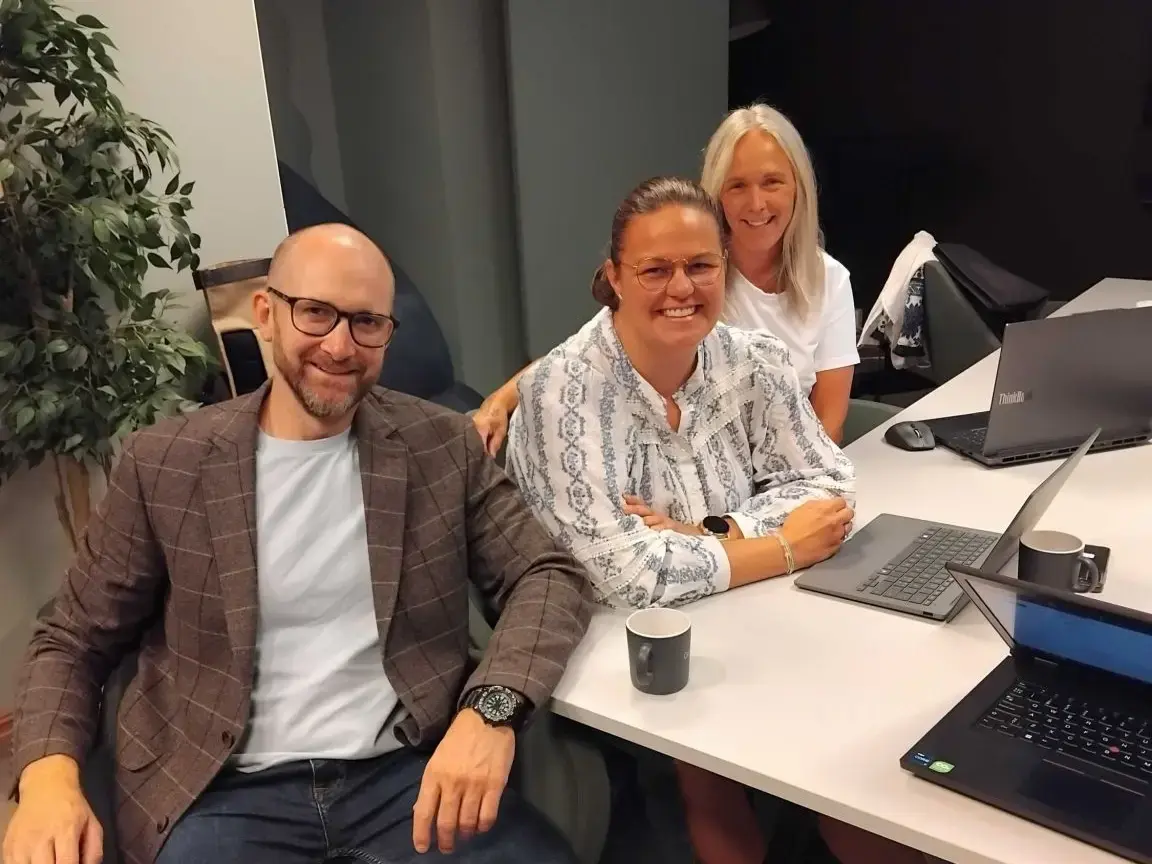
In many non-profit organisations, a large part of the working day goes to tasks that are not the purpose itself. Applications have to be written, reports delivered, emails answered and volunteers followed up. Often only a few staff do this, alongside everything else.
AI does not solve all of this. But some of the tasks recur, follow a pattern and build on texts the organisation already has. There, AI can take care of the first draft, so that people spend their time assessing, correcting and deciding. Here are five places where it often makes sense.
Applications and reports to funders
Application work is a typical place to start. The organisation usually has previous applications, annual reports, articles of association and descriptions of its activities. That is a good basis for a draft.
An AI solution can produce a first draft from the organisation’s own sources, and check it against the requirements in the call for applications. The same goes for the report afterwards: it can be put together from agreed data sources, with source references, so the person responsible can check the figures before it is sent.
A person must still own the content. Figures, commitments to the funder, budget and attachments must be checked by someone who knows the organisation. AI can make the first draft faster, but it cannot take responsibility for what is sent.
Member enquiries and email
Many organisations get the same questions again and again: about membership, membership fees, events and rights. The answers often already exist, in documents, on the website or in one person’s head.
An email agent can sort incoming enquiries, find answers in the organisation’s own documents and prepare a draft reply. A staff member checks and sends the reply. Members can get faster answers, and the common questions take less time.
Privacy matters here. Enquiries from members may contain information that must be handled with care. Which data goes where should be clarified before anything is set up.
Volunteer coordination
Coordinating volunteers is largely about information and reminders. Who is on shift, what do new volunteers need to know, and who has not replied yet?
AI can help with some of this, for example by answering common questions from volunteers or drafting information before an event. Regular reminders can reduce the risk of follow-up being forgotten. At the same time, many of these tasks are handled just as well with simpler tools, and then that is often the better choice. Not everything needs AI.
A knowledge base for staff and volunteers
In many organisations, only a few people know the routines. Colleagues, volunteers and local branches ask them, because it is quicker than searching.
A knowledge agent can search the documents each person has access to, show the sources and say so when the basis is not good enough. If the organisation uses Microsoft 365, such an agent can build on knowledge in SharePoint and be made available in Teams.
Two things must be in place. Access must be right, so no one sees more than they should. And someone must be responsible for the sources, so the answers are not based on old documents.
The website
The website is often the first thing members, volunteers and funders see. Even so, it is rarely updated, because changes wait for someone who knows the publishing tool.
A website agent can make agreed content changes when the organisation asks for them. Publishing follows the approval routine that has been agreed.
One example is IFFNN, the interest organisation for catering staff in the maritime industry. In October 2026 they got a new website from us, with a website agent that makes the content changes they ask for. The solution brings together news and editorial content, a member register and sign-up, submitted cases and analytics. The agent support can prepare drafts that the editorial team works on further. Read more about the IFFNN project and the agents we build.
Where should you start?
Start with one task that takes time and recurs. It could be the application draft, the inbox or the website. Build one solution, see whether it actually helps, and expand only once you see that it works.
A few questions are useful to ask before you start:
- Which task takes the most time each week or month?
- Which texts and documents already exist as a basis?
- What information about members and volunteers is involved?
- Who will check what the AI produces before it is sent or published?
If you have Microsoft 365, Copilot is often a good place to start.
Free seminar at Microsoft in Oslo
On Friday 20 November 2026, InfoDesk and Skjld Labs are holding a free AI seminar for non-profit organisations at Microsoft in Oslo. Microsoft is hosting and funding the day, and ALSO is a partner. Lunch is included.
The programme covers Copilot and agents in Teams and SharePoint, application work with your own sources and human quality assurance, the EU AI Act and privacy, and a practical plan for the first ninety days with AI. The day suits leaders, administrative staff, grant managers and volunteer coordinators. You do not need to use Microsoft tools already to take part.
The seminar is in person and is not streamed. Places are limited and there is no waiting list. See the programme and sign up.
The same help, dedicated pricing
Non-profit organisations get the same services as businesses: advisory, consulting hours, AI agents, website agents, systems, courses and talks. We work with you in exactly the same way. The only difference is that non-profit organisations get dedicated pricing. You get the price and an agreed scope before we start.
We also run hands-on courses and workshops in Norwegian for both staff and volunteers.
Read more about how we work with non-profit organisations, or book a free thirty-minute call about what takes time for you.